In 2025, sustainable interior design isn’t just a trendy phrase — it’s becoming a necessity for modern homeowners who want lower bills, healthier indoor air, and compliance with urban regulations.At 9creation, we’ve walked dozens of households through their green renovation journeys in Singapore — from 4-room HDB flats to luxury condos in Orchard.
We’ve seen the confusion, the missteps, and the “eco regrets” when materials or upgrades don’t perform in our tropical climate.

Jeremy had responded quickly to me on the first quote even though I am only doing some renovation to my kitchen and two bathroom. Jeremy is able to provide me with very good advise for the renovation.
We were very grateful to Brandon and his team to complete our renovation within a tight timeline despite many challenges encountered during the renovation. Brandon was a responsible and reliable designer who tried his best to meet our requests. He would immediately rectify issues whenever we visited the site.
This guide is our storytelling + actionable blueprint: showing you **what truly matters** in sustainable interior design in Singapore 2025, how to comply with HDB or MCST rules, which upgrades give you maximum carbon cuts per dollar, and how to budget smartly.
Read on, and you’ll see how your home can work harder — not costlier.
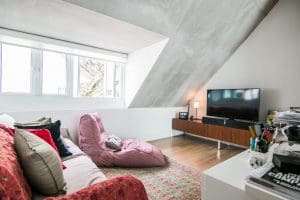
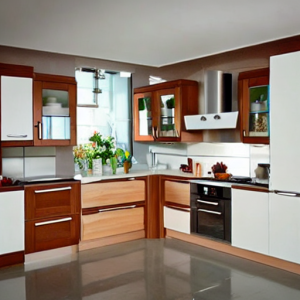
HDB Resale Renovation – Maximizing Space & Functionality
Many homeowners struggle with outdated layouts and inefficient use of space in resale flats. Poor storage solutions and aging interiors make homes feel cluttered and unappealing.

✅ 3x better space utilization with custom-built storage solutions
✅ Energy-efficient lighting reduced electricity costs by 20%
✅ Modernized design increased home value by 15%
9 Creation’s expert designers optimize every corner, blending functionality with aesthetics to create a comfortable and stylish living space.

What Is Sustainable Interior Design in Singapore in 2025?
It’s design that balances **low-impact materials, energy efficiency, indoor health, and compliance with Singapore’s codes** — all tailored to tropical constraints.
When I first met the Tay family in Pasir Ris, they told me: “We want green, but we don’t want to pay forever for it.”
That tension — between ideals and budget — is at the heart of sustainable design in Singapore today.
In 2025, sustainable interior design in Singapore means you choose non-toxic / low-VOC finishes, manage energy smartly, reuse or circularize materials, and design for the local climate (humidity, solar gain, ventilation).
It’s not about exotic imports — it’s about practical decisions that *work here*.

For instance, you might invest in occupancy sensors, LED lighting, or modular furniture that can be reconfigured rather than replaced.
You might prefer FSC-certified timber, recycled terrazzo, or locally sourced materials.
This aligns with Singapore’s push for **BCA Green Mark** and other green building standards.
When you choose sustainable features, you’re not just aesthetics-forward — you’re future-proofing your home.
“Eco is the new essential — because waste costs twice: the planet, and your utility bill.”
2025 Eco Design Trends in Singapore Homes
Expect biophilic touches, smart systems, climate-aware materials, hybrid multifunctional spaces, and eco-luxury becoming the standard.
I remember walking into a small Bukit Panjang condo and seeing a tiny moss wall inside.
It felt like breathing.
That’s biophilic design — bringing nature in — and it’s one of top trends for 2025.
Designers are merging nature and tech. You’ll see occupancy sensors, smart plugs, adaptive glass, and voice-controlled systems working quietly behind the scenes.
Combine that with natural textures like rattan, bamboo, recycled terrazzo, and soft curves, and you have a home that feels alive.

Some key trends to watch:
- Biophilic Luxury: Living walls, indoor gardens, and natural finishes that connect you to green even in the city.
This fits Singapore’s tropical climate and wellness goals. :contentReference[oaicite:0]{index=0} - Technological Harmony: Smart systems that adapt your home (lighting, blinds, AC) without you noticing.
The new goal is invisible tech. :contentReference[oaicite:1]{index=1} - Eco-Luxury as Baseline: Sustainable materials are elevating from optional to essential in luxury homes.
Think reclaimed wood, recycled metals, and low-VOC finishes everywhere. :contentReference[oaicite:2]{index=2} - Multifunctional / Modular Zones: Walls that fold, furniture that transforms, rooms that adapt.
Especially for HDBs, every inch must be flexible. :contentReference[oaicite:3]{index=3}
As one client put it: “I don’t want my living room to sit idle at night — I want to sleep there, work there, entertain there.”
That flexibility is now a sustainability factor.
Also, “soft geometry” and curved forms are replacing sharp angles — they feel more organic, reduce stress, and even help with airflow. :contentReference[oaicite:4]{index=4}
“Design for the climate you live in, not the Pinterest board you saved.”


Balancing Eco Design with HDB / MCST Rules
Most green upgrades can work within non-structural limits, as long as you choose permitted works and use certified trades.
One of the Tay family’s biggest worries was whether HDB would reject their upgrades or the condo MCST would enforce fines.
That fear is common.
The good news is: many of the best eco upgrades don’t require hacking or structural alteration.
LED lighting, low-VOC paint, ceiling fans, solar films — these are often allowed under HDB guidelines.
At 9creation, we only work with certified installers, licensed electricians, and plumbers.
That ensures your project meets Environmental Health & Safety (EHS) checks, and if you plan for Green Mark upgrades, it helps your case.
Still, rules differ between HDB and MCST. Some tips:
- Check what is “permitted works” in your estate: non-structural changes, minor carpentry, painting, electricals are safer scopes.
- Use licensed professionals: some upgrades trigger inspections; unlicensed work can void warranties.
- Coordinate permits & working hours: noise, dust, and timing matter — especially in condos with many neighbors.
These steps reduce friction and allow sustainability and compliance to be partners, not opponents.
“Compliance is sustainability’s quiet partner.”
If you ever want, we can walk you through your estate’s MCST schedule, HDB guidelines, or trade-offs for approval.

Which Upgrades Cut the Most Carbon for Least Cost?
LED + smart controls, efficient fans over AC, solar films, and water-saving fixtures often deliver the best carbon-to-cost return.
I’ll never forget the day we switched LED + smart controls in a 3-bedroom BTO flat.
The owner called us a month later: “My bill dropped 25% already.”
To understand this, we compare upgrades — not in a vacuum, but in carbon saved vs dollars spent.
Below is a table summarising typical upgrades (with approximated payback periods).
| Upgrade | Typical Upfront Cost | Carbon Savings | Payback Period |
|---|---|---|---|
| LED + Smart Controls | $$ | High | 2–3 years |
| Energy-Efficient Fans vs AC | $ | Moderate | 1–2 years |
| Solar Window Films | $$ | High | 3–4 years |
| Water-Saving Fixtures | $ | Moderate | 2 years |
| Repaint Instead of Retile | $ | Low–Moderate | Immediate |
The idea: you pick top 2–3 upgrades for maximum impact, then layer others as budget allows.
Also, remember that a feature with durability (i.e. you don’t replace often) has hidden carbon savings.
The greenest cabinet is the one you don’t throw away.
If your existing carpentry is still solid, just refresh the facades instead of full replacement.
What Materials Are “Truly Eco” in Singapore?
Go for FSC-certified wood, PEFC plywood, recycled terrazzo, low-VOC paints, and humidity-tested finishes.
In Singapore’s humidity, a material that warps or fails in two years is not sustainable — it’s waste.

Some safe bets:
- FSC / PEFC Certification: For wood, plywood, laminate. Demand proof.
- Recycled Terrazzo / Glass: Uses waste as resource; beautiful and durable.
- Bamboo / Rattan: Fast-growing, renewable, strong in tropical climates.
- Low-VOC Paints & Adhesives: Essential for indoor air quality.
- Humidity-Tested Finishes: Ensure they resist mould, peeling, blistering.
Always ask for certification or lab test reports from suppliers.
In a market full of “greenwashing,” that paper trail is your insurance.
“Ask for the paper trail before the purchase order.”
How to Plan an Eco-Renovation Budget
Start with essentials (efficiency upgrades), then layer mid-tier comforts, then premium finishes — always include buffer and lifecycle cost.
When I first drafted a budget for a Bukit Timah condo, we divided it into three tiers:
- Tier 1 – Essentials: LED, fans, water fittings, ventilation — the must-haves.
- Tier 2 – Comfort Upgrades: Solar film, modular cabinetry, biophilic accents.
- Tier 3 – Signature Finishes: Recycled terrazzo floors, custom joinery, statement features.
Always include a **10–15% buffer** for surprises (hidden damp patches, extra wiring).
And consider **lifecycle cost** — a mid-tier LED may cost more upfront than a cheap light, but lasts 5× longer, saving replacement carbon & cost.
Your renovation doesn’t end day one. It lasts years.
Think of budgets as multi-year plans, not one-time shells.

Eco Stories from Singapore Homes
Let me share two quick stories to bring this to life:
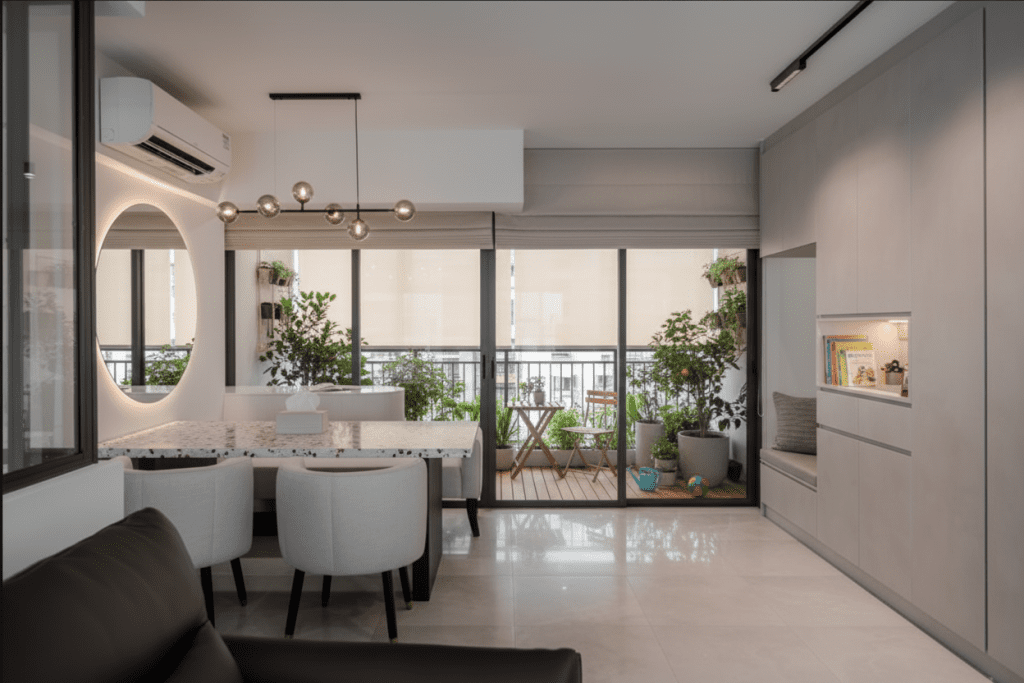
**The SkyGarden Loft, Punggol:**
Designed for a young family, we turned their balcony into a mini sky-garden.
Inside, we used recycled terrazzo, built-in storage, and automated blinds.
Their evening electricity bill dropped by 18%, and every guest asks about the moss wall.
**The Bukit Merah BTO:**
They had a tight budget.
We prioritized LED + smart controls, efficient fans, and repainted instead of retiling.
Two years later, they’re still happy — no warps, no regrets.
These homes aren’t showpieces — they’re lived in, everyday sanctuaries that work harder, not costlier.
Singapore Examples & Context You Should Know
Singapore doesn’t start from scratch. There are existing models we can learn from.
For example, **Treelodge@Punggol** is Singapore’s first public-housing eco-estate, awarded Green Mark Platinum.
Its design features regenerative systems, sky-parks, and energy-efficient design. :contentReference[oaicite:5]{index=5}
In national strategy, Singapore is pushing **Super Low Energy (SLE)** buildings, aiming for 60%+ energy savings above baseline.
That shift means homes must evolve, not just patch old systems. :contentReference[oaicite:6]{index=6}
Also, HDB’s “Practising Eco-Living” campaign encourages residents to adopt green habits to reinforce sustainable design. :contentReference[oaicite:7]{index=7}
How to Execute Your Green Renovation — Step by Step
Turning vision into reality is where many stumble.
Here’s a storytelling-flavored blueprint — imagine you’re walking your client through it.
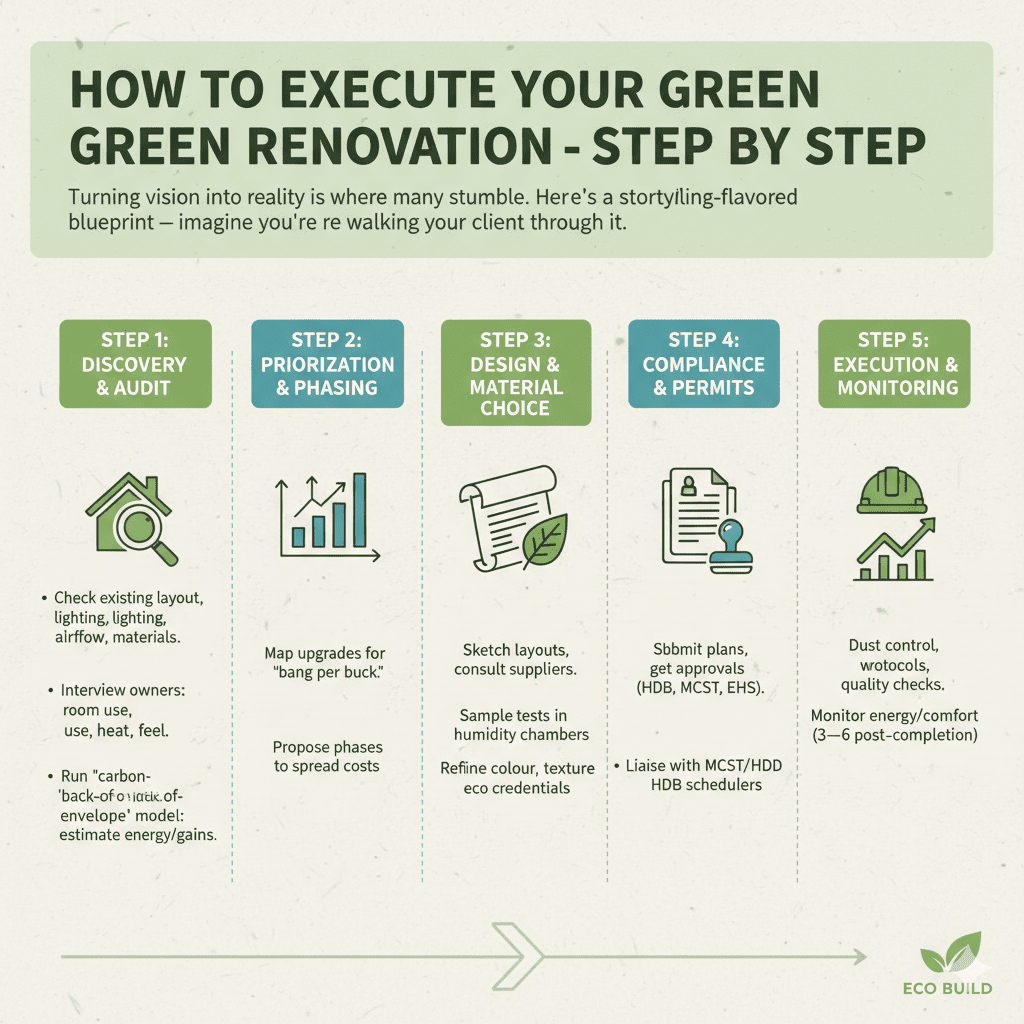
Step 1: Discovery & Audit
We come in, check existing layout, lighting, airflow, and materials.
We interview owners: what rooms you use most, when, how hot, how you feel inside.
Then we run a simple “carbon-back-of-envelope” model: estimate your current energy and likely gains.
Step 2: Prioritization & Phasing
We map out which upgrades yield most “bang per buck” (from the table above).
We propose phases so you can spread costs.
Step 3: Design & Material Choice
We sketch layouts, consult with certified materials suppliers, do sample tests in humidity chambers.
We refine colour, texture, and eco credentials.
Step 4: Compliance & Permits
We submit plans, get approvals (HDB, MCST, EHS), coordinate with trades.
We often liaise with MCST committees or HDB job schedulers.
Step 5: Execution & Monitoring
During works, we ensure dust control, worker protocols, and quality checks.
After completion, we monitor energy and comfort over 3–6 months to validate outcomes.
FAQ — Residents’ Top Questions
Is sustainable renovation really more expensive?
Not always. By prioritizing upgrades with high ROI (e.g. LED, efficient fans), you offset costs within a few years. Also, durability and lifecycle savings matter.
Will HDB or MCST reject my eco plans?
Most well-considered green upgrades are within “permitted works” (non-structural). As long as trades are licensed and you follow guidelines, rejection risk is low.
How long do eco materials last in Singapore’s humidity?
High-quality certified materials (FSC wood, humidity-tested finishes) often last longer than generic ones — provided proper care. Poor ones can warp or fail early.
Conclusion: Your Home’s Next Chapter
Sustainable interior design in Singapore 2025 is not about trends — it’s about **making your home resilient, healthy, and efficient**.
When you choose eco upgrades wisely, you don’t pay extra over time — you save.
Bottom line: carbon, cost, and compliance can coexist.
Ready to transform your home? Let’s tell your home’s green story — together.
Start your sustainable home transformation with 9creation today.