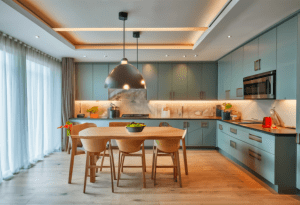
Brutalist interior design is one of those styles that you either fall in love with or simply can’t warm up to. Originating from the post-war architectural movement, brutalism was all about exposing raw materials, highlighting structural forms, and embracing an unrefined, almost industrial aesthetic. Today, brutalism has found its way into interior design, creating spaces that feel bold, edgy, and unapologetically modern. For homeowners in Singapore, brutalist design can be adapted to create a unique living space that combines style and functionality. As Frank Lloyd Wright once said, “Form follows function—that has been misunderstood. Form and function should be one, joined in a spiritual union.” This is precisely the ethos of brutalism, where form, material, and functionality come together in striking simplicity.
HDB Resale Renovation – Maximizing Space & Functionality Many homeowners struggle with outdated layouts and inefficient use of space in resale flats. Poor storage solutions and aging interiors make homes feel cluttered and unappealing. ✅ 3x better space utilization with custom-built storage solutions 9 Creation’s expert designers optimize every corner, blending functionality with aesthetics to create a comfortable and stylish living space.
✅ Energy-efficient lighting reduced electricity costs by 20%
✅ Modernized design increased home value by 15%

Defining Brutalist Interior Design
Brutalism in interior design strips away the decorative and gets down to essentials. It emphasizes raw, unadorned materials—often concrete, steel, wood, and glass—to create a minimalist yet bold aesthetic that feels rooted and substantial. This style celebrates imperfections and authentic textures, making each element feel integral to the space. The brutalist approach is about making a statement with form and structure while keeping decoration to a minimum. This style is defined by an honest representation of materials, often leaving them exposed to reveal their natural beauty and texture.
In a home setting, brutalism can be transformed to feel both striking and livable, where the raw edges are balanced with subtle comforts and thoughtful touches. For homeowners drawn to brutalism’s raw beauty, the key is in creating balance—finding ways to bring warmth to the industrial vibe with lighting, fabrics, and natural textures that soften the space without detracting from the bold architectural style.

The Core Elements of Brutalist Interior Design
Exposed Concrete and Raw Materials
Concrete is the backbone of brutalist design. From walls to floors, exposed concrete brings a structural element that feels grounded and architectural. The texture of concrete, with its natural imperfections and cool tones, creates visual interest without additional adornment. This material’s versatility allows it to be polished for a sleek look or left raw for a more rugged feel. In a residential setting, pairing concrete with natural materials like wood or metal can soften its starkness, creating a balanced, cohesive look.
| Material | Common Uses | Estimated Cost (SGD per square meter) |
| Concrete | Walls, floors | $150 – $300 |
| Steel | Fixtures, accents | $80 – $200 |
| Natural Stone | Countertops, accents | $200 – $500 |
| Wood | Accents, furniture | $100 – $300 |
Blocky, Monolithic Furniture and Geometric Shapes
Furniture in brutalist interiors is typically oversized, block-like, and minimal in design. A monolithic concrete coffee table, for example, can anchor a room, while a large sectional sofa provides comfort without compromising the bold aesthetic. Geometric shapes dominate brutalist interiors, from rectangular couches and square tables to sculptural chairs and angular shelves. The choice of furniture is often focused on creating focal points and defining spaces within open floor plans, which are common in brutalist interiors.
Industrial-Style Lighting and Fixtures
Lighting is critical in brutalist design, both for function and aesthetic. Industrial-style lighting with metal finishes and exposed bulbs complements the raw materials in the space. Pendant lights in brushed metal or matte black add character, while adjustable lighting options allow you to control the atmosphere. Ambient lighting softens the space, counteracting the hard lines and raw textures typical of brutalist interiors.


Neutral and Monochrome Color Schemes
Brutalism favors neutral color palettes, including shades of gray, black, white, and earthy tones. These colors provide a calm, cohesive background that allows the structural elements and materials to take center stage. Monochrome schemes work well in brutalist interiors, particularly when paired with natural textures like concrete, wood, and metal. The simplicity of these color choices creates a serene and harmonious atmosphere, ideal for those who want a calm, minimalistic space with a modern edge.

How to Integrate Brutalist Design into Your Home
Concrete Walls and Floors for Structural Boldness
A concrete wall or floor can immediately transform a space, lending it a modern, architectural feel. Whether polished for a sleek finish or left rough for texture, concrete creates a strong visual impact. For those concerned about costs or permanence, concrete-look tiles or panels are a great alternative, offering the same aesthetic without extensive installation or maintenance.
| Feature | Estimated Cost (SGD) | Description |
| Concrete Wall Panels | $80 – $200 per panel | Lightweight alternative to full concrete walls |
| Polished Concrete Floor | $150 – $300 per square meter | Durable, sophisticated flooring option |
| Concrete-Look Tiles | $50 – $150 per square meter | Affordable, easier installation |
Monolithic Furniture for a Cohesive Aesthetic
When selecting furniture for a brutalist interior, think monolithic pieces that add weight and presence to the room. A large, blocky sofa, a thick concrete or stone table, or a minimalist wood bench are ideal choices. These furniture pieces don’t just serve as decor; they become an integral part of the room’s architecture. Consider custom-made pieces that suit your space perfectly or pre-fabricated options with a solid look and feel.
Industrial-Style Lighting with Exposed Bulbs
Industrial lighting plays a significant role in brutalist interiors. Pendant lights with metal finishes, exposed bulbs, and minimalist designs help reinforce the raw aesthetic. Layered lighting is key here—ambient lighting can soften the room’s edges, while accent lighting highlights architectural features like concrete walls or geometric decor. This balance between illumination and shadow enhances the brutalist aesthetic, bringing depth and warmth to the space.
Adding Texture and Warmth with Fabrics
Brutalist interiors don’t have to feel cold. The right textiles can bring warmth and texture to the raw materials. Layer in soft fabrics like wool or linen in muted tones to create contrast with the harder surfaces. Rugs, throw blankets, and cushions are excellent ways to add a touch of coziness while maintaining the minimalist brutalist aesthetic.

Tips for Adapting Brutalism to Singapore Homes
Adapting to Small Spaces
Singapore’s compact living spaces require a balanced approach to brutalism. Emphasize essential features, such as a concrete accent wall or a monolithic furniture piece, rather than filling the room with oversized elements. Lighter concrete tones and sleek metal finishes can create the brutalist look without overwhelming the space.
Cost Considerations for Brutalist Interiors
While materials like concrete and steel can be expensive, there are budget-friendly alternatives. For instance, concrete-look paint or wallpaper provides the aesthetic without the high installation costs. Pre-fabricated concrete furniture pieces or industrial-style metal fixtures can also be sourced at varying price points to fit different budgets.
| Feature | Alternative Option | Cost Difference |
| Exposed Concrete Walls | Concrete-Look Paint or Wallpaper | $50 – $80 per roll (wallpaper) |
| Solid Concrete Furniture | Concrete-Look Resin or Wood Finish | 30-50% cost savings |
| Metal Lighting Fixtures | Metal-Finish Plastic Fixtures | 40-60% lower cost |
Eco-Friendly Brutalism
Incorporating eco-friendly materials is possible with brutalist design. Sustainable options like recycled concrete or reclaimed wood fit seamlessly within this aesthetic, providing the same durability and raw appeal. Sustainable finishes for concrete, non-toxic sealants, and low-impact manufacturing processes also contribute to a greener approach to brutalist interiors.

Jeremy had responded quickly to me on the first quote even though I am only doing some renovation to my kitchen and two bathroom. Jeremy is able to provide me with very good advise for the renovation.
We were very grateful to Brandon and his team to complete our renovation within a tight timeline despite many challenges encountered during the renovation. Brandon was a responsible and reliable designer who tried his best to meet our requests. He would immediately rectify issues whenever we visited the site.

The Final Touch: Personalizing Your Brutalist Space
Artwork and Decor
While brutalist design is minimal, the addition of carefully chosen artwork can personalize the space and make it feel complete. Large-scale pieces with abstract forms or monochromatic color schemes can add depth without detracting from the raw materials. Sculptural decor in stone, metal, or concrete blends well with the overall aesthetic and can serve as focal points in the room.
Greenery for Contrast
Adding plants brings a touch of nature to brutalist interiors, softening the space and providing visual contrast. Large potted plants or hanging greenery can introduce organic shapes that balance the structured, geometric lines. Plants like the monstera, snake plant, or ZZ plant, which thrive in indirect light, are ideal for adding life to a brutalist-inspired home.
Ambient Scent and Sound
Incorporate elements of sound and scent to complete the sensory experience of a brutalist space. Diffusers with calming scents like cedarwood or sandalwood add an earthy, natural aroma that complements the raw materials. Soundscapes with ambient music or nature sounds can enhance the serene, minimalist feel of the space, creating an atmosphere that feels complete and immersive.
Brutalist interior design is a bold choice that emphasizes raw beauty, structure, and functionality. By focusing on essential elements like concrete, minimalist furniture, and industrial lighting, you can create a space that is both unique and livable. Whether you’re looking to embrace full brutalism or simply add a few elements, 9creation’s renovation services in Singapore can help you bring this daring style to life. So, are you ready to make a statement with brutalism in your home?