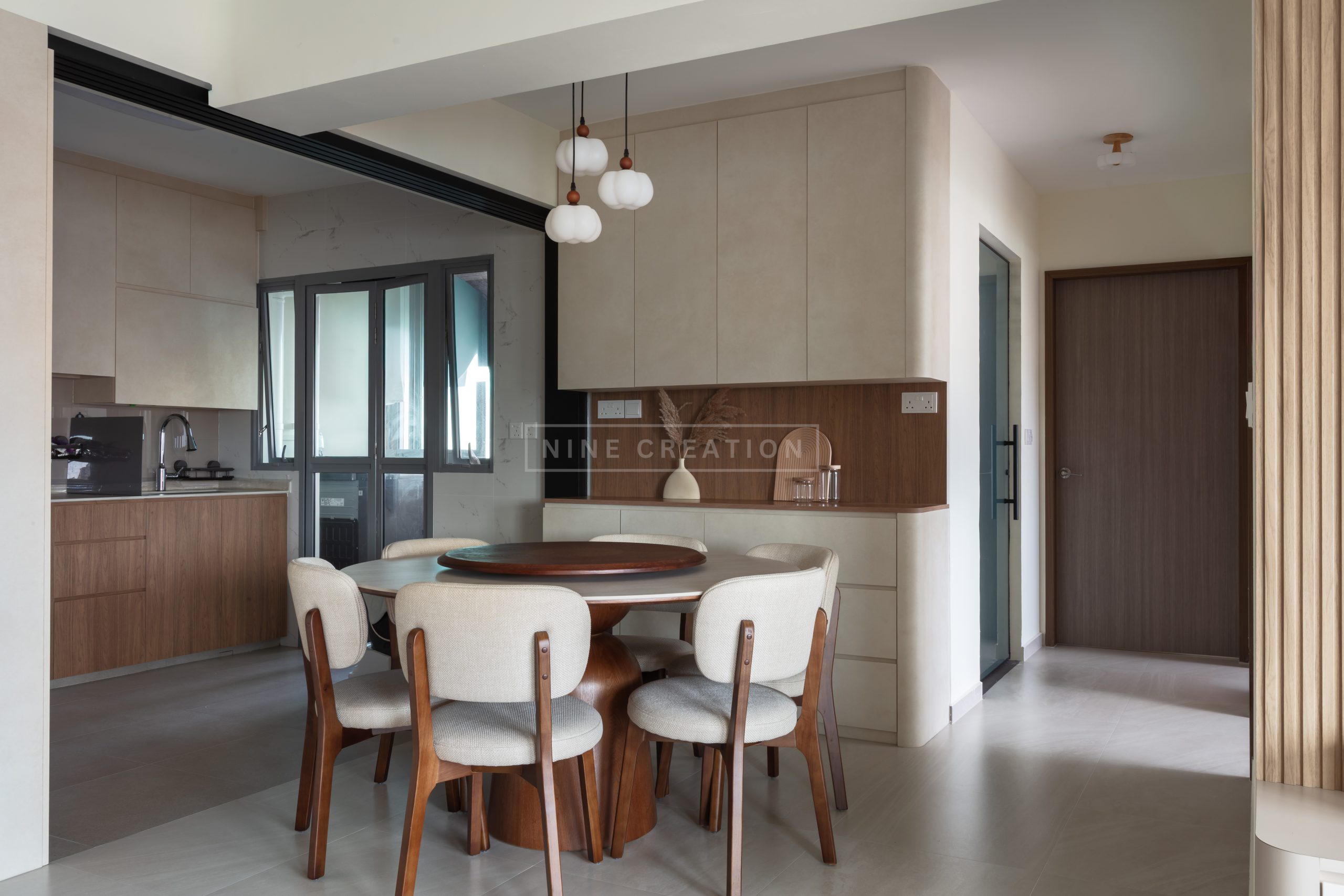
You’re eager to make the flat your own—but soon, the stress sets in. You ask yourself: how long will the renovation take? Will it be noisy, disruptive, or full of setbacks?
Many first-time homeowners in Singapore face the same uncertainty. The BTO renovation timeline isn’t just about days on a calendar. It’s about managing daily life while dealing with contractors, dust, permits, and decisions you’ve never made before.
We’ve walked this road with hundreds of clients. At 9Creation, we guide people like you through every stage of renovation in Singapore. You’ll know what’s ahead, what slows things down, and what keeps your project on track—without overpromising.
This guide will show you how long renovations really take, what delays to expect, and how to avoid costly surprises. You’ll also get clear advice on managing expectations, communicating with your contractor, and preparing for handover.
HDB Resale Renovation – Maximizing Space & Functionality
Many homeowners struggle with outdated layouts and inefficient use of space in resale flats. Poor storage solutions and aging interiors make homes feel cluttered and unappealing.

✅ 3x better space utilization with custom-built storage solutions
✅ Energy-efficient lighting reduced electricity costs by 20%
✅ Modernized design increased home value by 15%
9 Creation’s expert designers optimize every corner, blending functionality with aesthetics to create a comfortable and stylish living space.

Understanding the Typical BTO Renovation Timeline in Singapore
If you’re wondering how long it takes to renovate your flat, you’re not alone. A typical BTO renovation schedule in Singapore spans about 6 to 10 weeks.
This depends on the size of your flat, how much work is involved, your design preferences, and how quickly approvals and materials come through. A simple makeover may take just over a month. A full redesign could take longer if you’re adding custom carpentry, hacking walls, or installing new systems.

Breaking Down the Timeline
Every renovation follows a few clear stages. Here’s what happens during each phase, and how much time each part usually takes.
1. Design and Planning (1–2 weeks)
This is where everything starts. You’ll sit down with your interior designer to discuss what matters most to you.
Do you want more storage? Do you like open spaces? What materials do you prefer? These conversations are essential.
By the end of this phase, you’ll have confirmed layouts, floor plans, and 3D visuals. If you work with 9Creation, we’ll walk you through every detail using our structured renovation process. This avoids mistakes later and helps your contractor prepare accurately.

2. Material Selection and HDB Approvals (1 week)
Next, you’ll choose specific materials—tiles, lighting, wardrobes, paint finishes, and more. Your selections affect both cost and schedule.
At the same time, your renovation team submits required applications to HDB. These include electrical, plumbing, and structural works. The approval process usually takes a few working days, but can stretch longer if plans need revisions.

3. Site Preparation and Demolition (1 week)
This is where physical work begins. The site is cleared, walls are hacked if needed, tiles removed, and debris hauled out.
It’s often noisy and dusty, so it’s best if you don’t live in the flat during this phase.
Demolition is one of the shortest phases, but it sets the tone for the rest. If hidden issues are found (like uneven floors or structural cracks), they need fixing before work continues.
4. Construction and Installation (3–4 weeks)
This is the heart of the project. Your flat starts taking shape. Electrical wiring, plumbing lines, ceiling works, built-in carpentry, and flooring are installed during this period.
At 9Creation, we assign experienced project managers who schedule works in the right order to reduce downtime. Want to know who we work with? Meet some of our contractors in Singapore who deliver high-quality results on schedule.
5. Finishing and Touch-Ups (1 week)
Once the major installations are complete, it’s time to paint, clean, polish, and inspect. Any minor fixes are addressed before handover.
If appliances are part of your package, this is also when they’re delivered and installed.
We also perform a full walkthrough with you, checking sockets, hinges, finishes, and water pressure. We don’t rush this step because the small details matter most once you move in.
Total renovation time: 6 to 10 weeks, depending on your flat size, scope of work, and coordination efficiency.
Common Causes of Delays in BTO Renovation Schedule
Every homeowner hopes their renovation runs smoothly, but some delays are hard to avoid.
The more you know about what typically goes wrong, the better prepared you’ll be when it happens—or better yet, to avoid it entirely.
Unforeseen Structural Issues
Sometimes, once tiles are removed or partitions are hacked, hidden problems appear.
You might find moisture damage behind walls, uneven floor levels, or outdated wiring that doesn’t meet current code.
These issues usually require repair before construction continues. While you can’t always predict them, working with a team that’s experienced with BTO layouts helps identify warning signs early and include buffer time in your schedule.
Permit and Approval Bottlenecks
All hacking, electrical, and plumbing works need HDB approval. The submission itself is straightforward, but delays can happen when documents are incomplete, drawings require revisions, or if HDB policy changes in the middle of your application.
To avoid these hiccups, choose a renovation firm that handles submissions on your behalf and has a process in place to follow up regularly. You can see how 9Creation does this in our workflow breakdown.

Supply Chain and Material Delays
Material lead times can change fast. Popular tile designs may go out of stock. Imported appliances may be delayed due to shipping issues or warehouse backlogs.
That’s why we recommend finalising all materials before demolition begins and having second-choice options ready. It reduces risk without affecting the final design quality.
Labour Scheduling and Coordination
Renovation in Singapore is affected by labour availability. The industry operates on tight schedules, and delays in one project can ripple into the next.
If your carpenters are waiting on electricians to finish or the plumber shows up before the walls are built, your timeline slips. That’s why professional coordination is key. At 9Creation, we build schedules with lead and lag time between teams to keep progress steady.
Client’s Change Requests
Change is natural. But when design revisions happen late—like switching tile types mid-installation or resizing carpentry already in production—it adds time and cost.
We always advise our clients to use the planning phase to finalise choices. Want ideas? Start with our renovation service packages to get a feel for layouts, materials, and workflows upfront.
How to Stay on Track with Your HDB Renovation Timeline
Staying on schedule isn’t about luck. It’s about planning, choosing the right partners, and knowing what to expect at each step.
Choose the Right Renovation Partner
The contractor or interior firm you work with will affect your timeline more than anything else.
Reliable firms offer you a full schedule before the work begins and stick to it unless there’s a clear, documented reason for delay.
At 9Creation, our structured project flow means you’re never in the dark. We provide updates at every phase, so you know exactly what’s being worked on and what’s next.
Set Realistic Expectations
If you’re expecting a 5-week turnaround on a full 5-room renovation, you’ll be disappointed.
Realistic timelines help you avoid frustration and let you make arrangements like alternative living space or storage during construction.
We help you understand timeframes right from the first meeting. When everyone is aligned, the renovation feels less chaotic—and you’ll feel more in control.
Finalise Design Early
Design changes mid-project are one of the top reasons timelines stretch.
They often involve redoing carpentry plans, delaying installations, or resubmitting for approval.
We use visual walkthroughs, like 3D renders and layout previews, to help you confirm your plans early. This makes the work smoother and reduces regrets later.
Keep Involved with Site Visits
Some clients prefer to stay hands-off. Others visit every few days. While you don’t need to micromanage, checking in during key milestones—like post-demolition, carpentry installation, or just before painting—can catch small issues before they snowball.
Your assigned project manager will guide you on when to visit and what to look for. This helps you feel involved without overwhelming your schedule.
Prepare for Some Disruption
No matter how efficient the process is, there will be dust, noise, and adjustments to daily life. That’s normal.
If you’re living nearby or planning to move in after handover, build in buffer time for cleaning, minor touch-ups, and appliance setup.
Renovation is not a one-day event. It’s a short season of change that leads to years of comfort. The more you prepare for that season, the smoother it goes.
Handover Checklist: What to Expect When Your Renovation Ends
The handover is the final step, but it’s also where you confirm that everything promised has been delivered.
This stage isn’t just ceremonial—it’s your chance to inspect, test, and speak up about anything that feels off.
We always schedule a detailed walkthrough with homeowners, and we recommend you bring a checklist during your handover. Here’s what to look out for:

Jeremy had responded quickly to me on the first quote even though I am only doing some renovation to my kitchen and two bathroom. Jeremy is able to provide me with very good advise for the renovation.
We were very grateful to Brandon and his team to complete our renovation within a tight timeline despite many challenges encountered during the renovation. Brandon was a responsible and reliable designer who tried his best to meet our requests. He would immediately rectify issues whenever we visited the site.


Inspection Items to Confirm
- Tiling and Flooring Finish: Walk through each room. Tiles should be level, without cracks or hollow sounds. Grout lines should be straight and consistent.
- Electrical and Lighting: Check every socket and switch. Lights should turn on without flickering. Test ceiling fans, feature lights, and under-cabinet strips if included.
- Plumbing and Water Fixtures: Run all taps and flush all toilets. Watch for leaks at joints. Showerheads should spray cleanly and drains should clear quickly.
- Cabinetry and Carpentry: Open every drawer and cupboard. Hinges should feel smooth. Panels should be aligned and paint or laminate finishes should have no bubbling or chipping.
- Wall and Ceiling Paintwork: Inspect for patchy spots, drip lines, or visible cracks. Touch-ups should match the original colour exactly.
- Door and Window Operations: Open and close all doors, including built-in sliding panels. Windows should move smoothly and lock securely.
At 9Creation, our project team checks every item above before inviting you for the final review.
But we encourage you to take your time. It’s your home. You should feel confident before signing off.
If any defects appear within a reasonable period after handover, you can still reach out. Fixes are easier to manage when flagged early.
Want to ask about your renovation scope or share your plans? Reach out to us here.