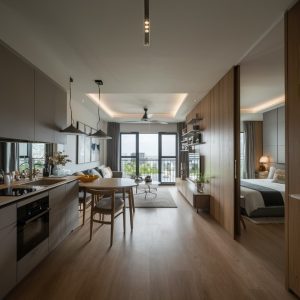
Welcome to our guide on creating a sustainable oasis in your Singaporean home through eco-friendly bathroom renovations. As our world faces increasingly pressing environmental challenges, it is crucial for us to embrace greener practices and make conscious choices that contribute to sustainable living. One area where we can make a significant impact is in our bathrooms, a space that holds immense potential for eco-friendly transformations.
Eco-friendly bathroom renovations are not only about aesthetics but also about incorporating sustainable materials and adopting energy-efficient practices. By choosing to renovate your bathroom with sustainability in mind, you can reduce your environmental footprint and make a positive difference for the planet and future generations.

In this article, we will explore the concept of eco-friendly bathroom renovations and their importance in promoting sustainable living. We will guide you through the various options of eco-friendly materials, fixtures, lighting, and appliances that can be incorporated into your bathroom renovation project. Additionally, we will share water conservation strategies that will help you minimize water wastage and contribute to a greener future.
Through our comprehensive guide, we aim to provide you with practical insights and tips to transform your bathroom into an eco-friendly haven. Join us in embracing sustainable living and creating a greener Singapore, one bathroom renovation at a time.
Eco-Friendly Materials and Fixtures for Sustainable Bathroom Renovations
In this section, we will explore the wide range of eco-friendly materials and fixtures that can be incorporated into your bathroom renovation. By opting for these sustainable alternatives, you can create not only a stylish but also an environmentally conscious bathroom space.
Water-Saving Faucets
One of the key considerations for a sustainable bathroom is reducing water consumption. Installing water-saving faucets can significantly contribute to this objective. These faucets are designed to limit the flow of water while maintaining adequate pressure, helping you conserve water without compromising on functionality.

Low-Flow Toilets
Traditional toilets consume a significant amount of water with each flush. Upgrading to low-flow toilets can drastically reduce water usage. These toilets use advanced flushing technology to achieve effective waste removal while using much less water compared to conventional models.
Recycled Tiles
Give your bathroom a unique eco-friendly touch by opting for recycled tiles. These tiles are made from reclaimed materials such as glass, ceramics, and even plastic bottles. Not only do they add a distinctive aesthetic appeal, but they also help reduce waste by repurposing materials that would have otherwise ended up in landfills.
Sustainable Flooring Materials
Choosing sustainable flooring materials is another crucial element in eco-friendly bathroom renovations. Consider options like bamboo, cork, or linoleum, which are all renewable and biodegradable materials. These flooring choices not only offer longevity and durability but also reduce your carbon footprint by supporting sustainable sourcing practices.
By incorporating water-saving faucets, low-flow toilets, recycled tiles, and sustainable flooring materials into your bathroom renovation, you can embrace a greener lifestyle. These choices not only contribute to reduced water and energy consumption but also promote the conservation of our precious natural resources.

Energy-Efficient Lighting and Appliances for a Greener Bathroom
In our quest for a greener bathroom, it is crucial to focus on energy-efficient lighting and appliances. By making conscious choices in these areas, you can significantly reduce your environmental impact and contribute to a sustainable lifestyle.
LED Lighting: Brightening the Way to Energy Savings
One of the key elements of an eco-friendly bathroom is the use of LED lighting. LED lights are highly energy-efficient, consuming up to 75% less energy than traditional incandescent bulbs. Not only do they last longer, but they also produce less heat, making them a safer and more sustainable lighting option.
By replacing your conventional light bulbs with LED alternatives, you can enjoy significant energy savings while still maintaining optimal lighting conditions in your bathroom.
Motion-Sensor Switches: Illumination Only When You Need It
Another effective way to minimize energy consumption in your bathroom is by installing motion-sensor switches. These switches detect movement and automatically turn on the lights when someone enters the room. They also have a built-in timer, ensuring that the lights are only on when needed.
With motion-sensor switches, you can eliminate the problem of accidentally leaving lights on and wasting energy. This simple addition to your bathroom can make a big difference in reducing your carbon footprint.

Smart Home Technology: Efficient Yet Convenient
Smart home technology offers a range of possibilities for creating an energy-efficient bathroom. With smart lighting systems, you can control the intensity and duration of your bathroom lights through your smartphone or a voice-activated assistant. This level of control allows you to ensure that lights are only used when necessary, optimizing energy usage.
Furthermore, smart home technology extends to bathroom appliances, such as showerheads, water heaters, and ventilation systems. By investing in eco-friendly appliances that are designed to minimize energy consumption without compromising performance, you can create a truly sustainable bathroom.
With these energy-efficient lighting and appliance options, transforming your bathroom into an eco-friendly oasis has never been easier. By taking advantage of LED lighting, motion-sensor switches, and smart home technology, you can reduce your energy consumption, lower your utility bills, and contribute to a greener Singaporean home.
Water Conservation Strategies for Sustainable Bathrooms
In sustainable bathroom renovations, water conservation plays a crucial role in minimizing environmental impact and promoting a greener lifestyle. By implementing water-saving strategies, you can significantly reduce water wastage and contribute to the conservation of this valuable resource.
Dual-Flush Toilets
One effective water conservation strategy is the installation of dual-flush toilets. These toilets feature two flushing options – a full flush for solid waste and a half-flush for liquid waste. By using the appropriate flush option, you can save a significant amount of water with each use, making your bathroom more sustainable.
Efficient Showerheads
Another way to conserve water in your bathroom is by installing efficient showerheads. Look for showerheads with low-flow options that aerate the water to maintain a satisfying shower experience while reducing water consumption. These eco-friendly showerheads can help you save both water and energy without compromising on comfort.
Sensor-Based Faucets
Sensor-based faucets are a smart solution to minimize water wastage in your bathroom. These faucets use motion sensors to detect when hands are under the faucet and automatically turn off once hands are moved away. This eliminates the risk of leaving the tap running unintentionally, saving water and promoting water-efficient habits.
Regular Maintenance
Regular maintenance is vital for ensuring optimal water efficiency in your bathroom. Even minor leaks can lead to significant water wastage over time. By promptly detecting and fixing leaks in taps, pipes, and toilets, you can conserve water and prevent unnecessary consumption. Make regular inspections a part of your bathroom maintenance routine.
Incorporating these water conservation strategies into your sustainable bathroom renovation will not only help you reduce water usage but also contribute to a more eco-friendly lifestyle. By making conscious choices and adopting these sustainable practices, you can create a bathroom that conserves water while still meeting your daily needs.

Satisfied experience! Within our budget! 9 Creation, was able to help us save cost and work towards our budget.
I heard most of the IDs can be quite unresponsive sometimes, 9 Creation was able to get back to us almost immediately for all problems we had.
Lu J**l*
Conclusion
In conclusion, embracing eco-friendly bathroom renovations is a crucial step towards promoting sustainable living and reducing our environmental impact. By implementing the strategies discussed in this article and utilizing the recommended eco-friendly materials and fixtures, you can transform your Singaporean home into a sustainable oasis.
Opting for water-saving faucets, low-flow toilets, and energy-efficient lighting not only helps conserve precious resources but also reduces your water and energy consumption, leading to significant cost savings in the long run. Additionally, incorporating recycled tiles and sustainable flooring materials minimizes the exploitation of natural resources, further contributing to a greener environment.
Furthermore, by adopting eco-friendly alternatives for bathroom appliances such as low-energy consumption showerheads, water heaters, and ventilation systems, you can significantly reduce your carbon footprint. Regular maintenance to detect and fix leaks is essential to ensure water efficiency, further promoting sustainability in your bathroom.
Make a conscious choice today to embrace a greener lifestyle through eco-friendly bathroom renovations. By doing so, you not only contribute to a more sustainable future but also create a healthier and more comfortable living space for yourself and your family.