


Minimalistic interior design focuses on simplicity, functionality, and the elimination of unnecessary elements to create a serene and clutter-free living space. This guide provides essential tips and ideas for achieving a minimalistic design in your home, ensuring a stylish and calming environment.
Key Takeaways
- Minimalistic design emphasizes simplicity, functionality, and the elimination of clutter.
- Neutral color palettes, clean lines, and multifunctional furniture are key elements.
- Thoughtful storage solutions and intentional decor choices enhance the minimalist aesthetic.
Principles of Minimalistic Interior Design
Minimalistic interior design is based on several core principles that help create a clean, uncluttered, and functional space.
Simplicity
Simplicity is at the heart of minimalistic design. This involves using a limited number of elements and avoiding overly complex designs.
- Clean Lines: Opt for furniture and decor with clean, straight lines.
- Uncluttered Spaces: Keep surfaces clear of unnecessary items.
- Functional Design: Choose pieces that serve a purpose and avoid excessive decoration.
Functionality
Every element in a minimalistic design should have a clear function. This ensures that the space remains practical and efficient.
- Multifunctional Furniture: Use furniture that serves multiple purposes to maximize space.
- Efficient Layouts: Arrange furniture to promote easy movement and accessibility.
- Storage Solutions: Incorporate smart storage solutions to keep clutter out of sight.
Neutral Color Palette
A neutral color palette helps create a calm and soothing atmosphere. It also allows the focus to remain on the space rather than the colors.
- Primary Colors: Use shades of white, beige, grey, and black.
- Accent Colors: Add subtle pops of color through accessories or small decor items.
- Consistency: Maintain a consistent color scheme throughout the space for a cohesive look.
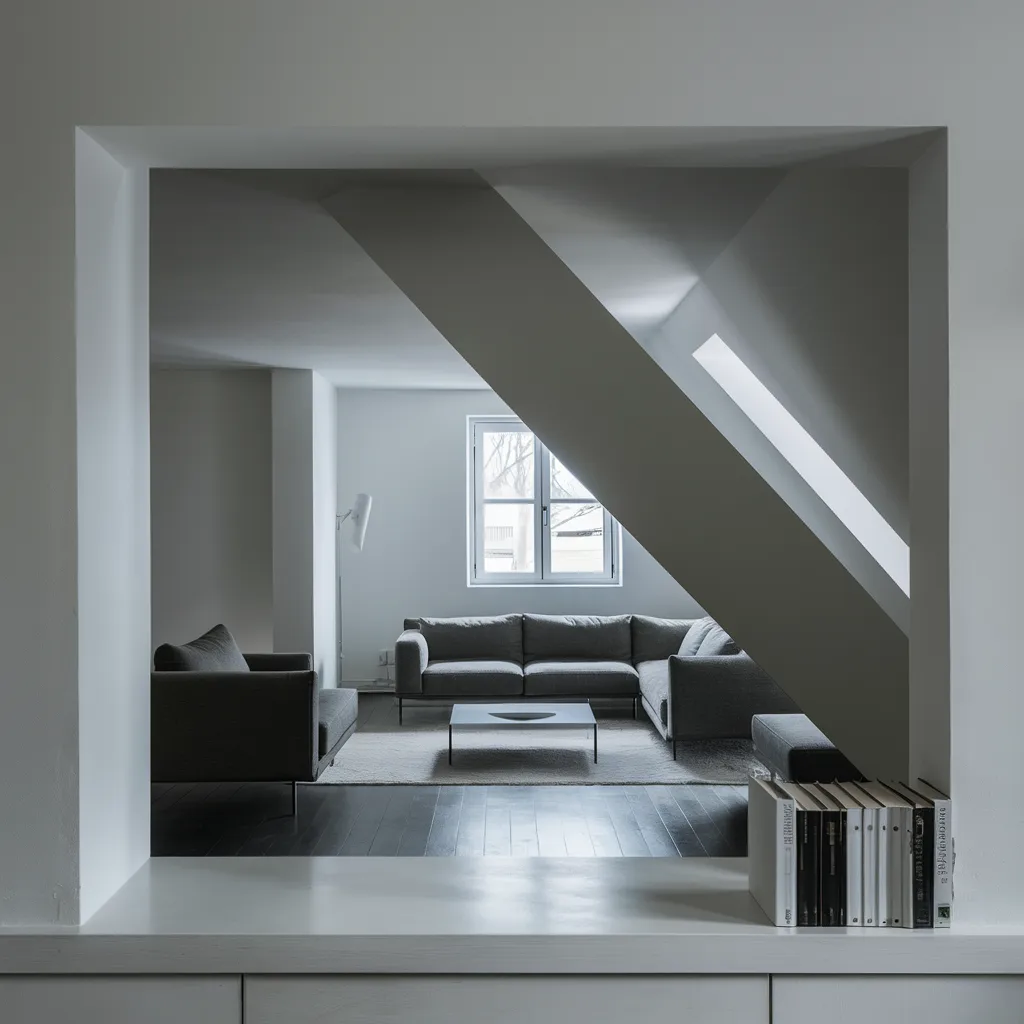
Principles of Minimalistic Design Table
| Principle | Description | Key Elements |
| Simplicity | Use a limited number of elements and avoid complexity | Clean lines, uncluttered spaces, functional design |
| Functionality | Ensure every element has a clear function | Multifunctional furniture, efficient layouts, storage solutions |
| Neutral Palette | Use neutral colors to create a calm atmosphere | Shades of white, beige, grey, and black |
This table summarizes the key principles of minimalistic interior design and their elements.
Tips for Achieving a Minimalistic Design
Implementing a minimalistic design in your home involves thoughtful planning and intentional choices. Here are some tips to help you create a minimalistic living space.
Declutter Regularly
Decluttering is essential to maintain a minimalistic home. Regularly go through your belongings and remove items that are no longer needed.
- Daily Habits: Make it a habit to clear surfaces and put items back in their designated places.
- Seasonal Purges: Conduct a thorough declutter at least once every season to keep things in check.
Invest in Quality Over Quantity
In a minimalistic design, less is more. Focus on acquiring a few high-quality pieces rather than many mediocre ones.
- Durability: Choose furniture and decor that are built to last.
- Aesthetic Appeal: Select items that align with the minimalistic aesthetic and bring joy to your space.
Embrace Open Spaces
Open spaces are a hallmark of minimalistic design. Avoid overcrowding your rooms with too much furniture or decor.
- Spacing: Ensure there is ample space between pieces of furniture.
- Focal Points: Create focal points with a few well-chosen items rather than multiple small ones.
Use Multifunctional Furniture
Multifunctional furniture helps save space and reduces the need for additional pieces.
- Examples: Sofa beds, extendable dining tables, storage ottomans.
- Benefits: Maximizes functionality and keeps the space uncluttered.
Multifunctional Furniture Examples Table
| Furniture Piece | Functions | Benefits |
| Sofa Bed | Seating and sleeping | Saves space, versatile for guests |
| Extendable Table | Dining table with expandable sections | Space-saving, accommodates more people |
| Storage Ottoman | Seating, footrest, and storage | Hidden storage, multi-purpose use |
This table highlights examples of multifunctional furniture and their benefits in a minimalistic design.
Incorporate Natural Elements
Bringing natural elements into your home can enhance the minimalistic aesthetic and create a calming environment.
- Plants: Add indoor plants to bring a touch of nature and improve air quality.
- Natural Materials: Use materials like wood, stone, and linen for furniture and decor.
Maintain a Neutral Color Palette
Stick to a neutral color palette to create a cohesive and serene atmosphere.
- Base Colors: Use white, beige, grey, and black as your primary colors.
- Accents: Introduce subtle accent colors through small decor items.
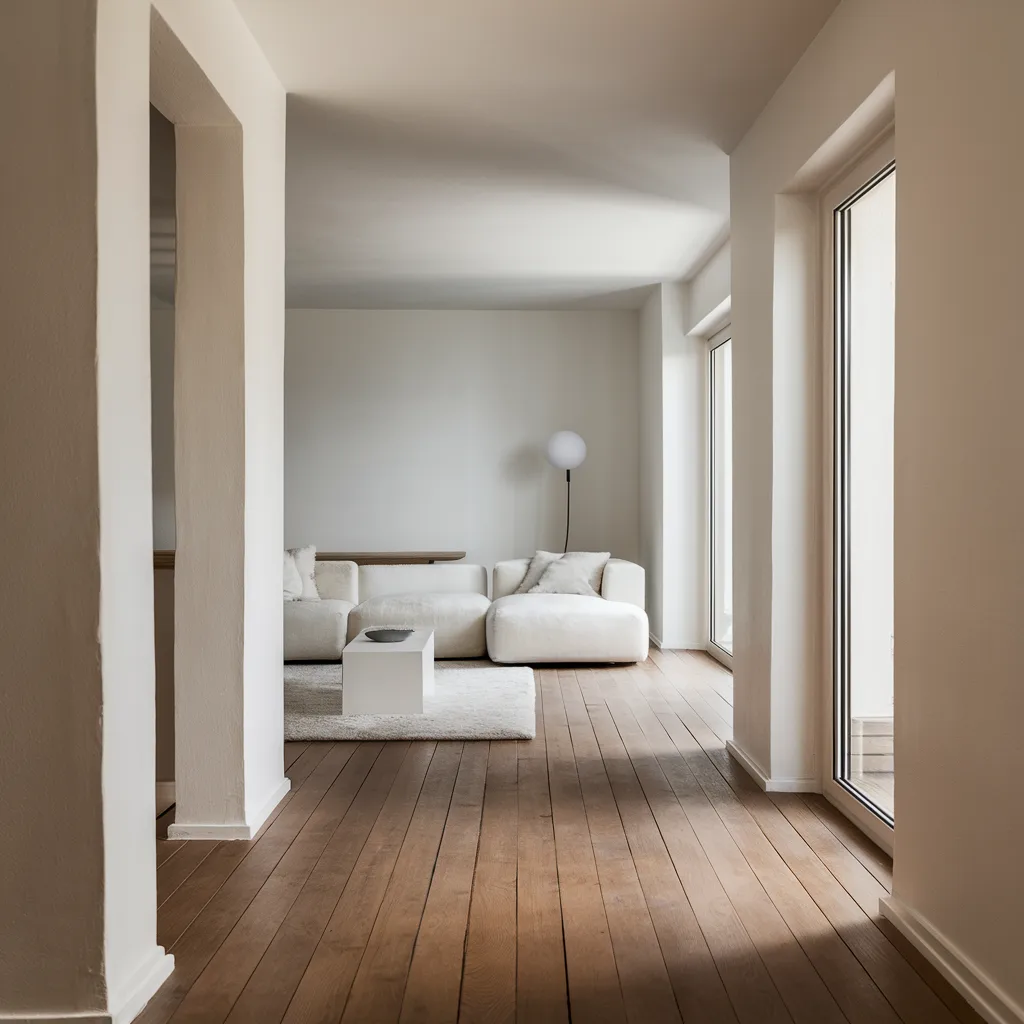
Neutral Color Palette Ideas Table
| Color Scheme | Description | Benefits |
| Light and Neutral | Shades of white, beige, light grey | Creates openness, makes space appear larger |
| Accent Colors | Bold colors used in accessories | Adds visual interest, easy to update |
| Monochromatic Scheme | Varying shades of a single color | Adds depth, sophisticated look |
This table offers ideas for choosing the right color palette for a minimalistic design.
Optimize Lighting
Proper lighting enhances the minimalist aesthetic and functionality of your space.
- Natural Light: Maximize natural light by using sheer curtains and keeping windows unobstructed.
- Artificial Light: Use a combination of ambient, task, and accent lighting to create a well-lit environment.
Lighting Types Table
| Lighting Type | Description | Placement |
| Ambient Lighting | General room illumination | Ceiling lights, recessed lighting |
| Task Lighting | Focused light for specific tasks | Table lamps, under-cabinet lights |
| Accent Lighting | Highlights decorative elements | Spotlights, wall sconces, LED strips |
This table outlines different types of lighting and their ideal placement in a minimalistic design.
Decor and Personal Touches
While minimalistic design emphasizes simplicity, personal touches and carefully chosen decor can add warmth and character to your space.
Minimalist Decor Ideas
- Art Pieces: Select a few statement art pieces rather than cluttering walls with numerous items.
- Textures: Use different textures to add depth and interest without adding visual clutter. Consider wool rugs, linen cushions, and wooden furniture.
- Mirrors: Mirrors can make a space appear larger and reflect light, enhancing the minimalist aesthetic.
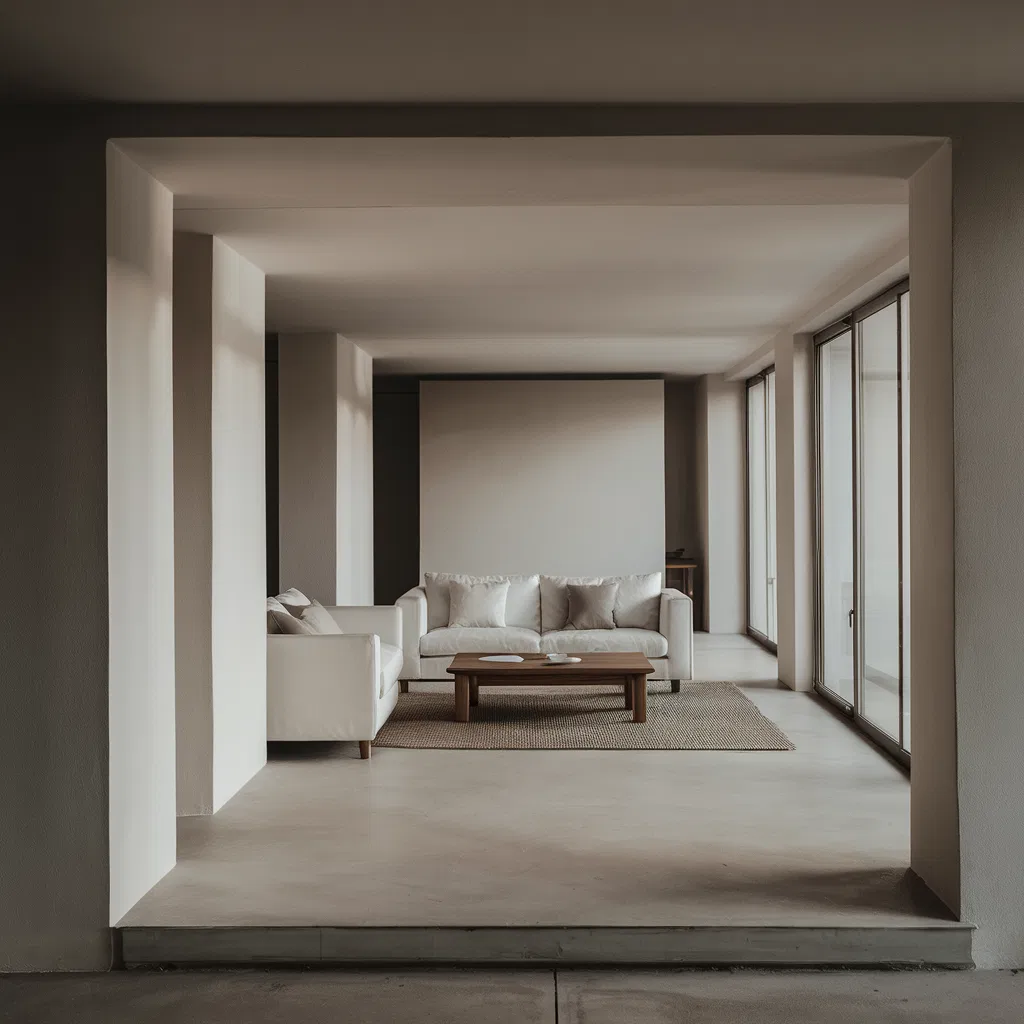
Minimalist Decor Ideas Table
| Decor Element | Description | Benefits |
| Art Pieces | Select a few statement pieces | Adds character without clutter |
| Textures | Use varied textures like wool, linen, and wood | Adds depth, maintains simplicity |
| Mirrors | Reflect light, make space appear larger | Enhances minimalist aesthetic |
This table provides ideas for incorporating minimalist decor into your home.
Personal Touches
Adding personal touches to your minimalistic home ensures it feels inviting and unique.
- Family Photos: Display a few cherished photos in simple, elegant frames.
- Memorabilia: Include meaningful items such as travel souvenirs or heirlooms.
- Plants: Use plants to bring life and freshness into your space.
Personal Touches Table
| Personal Item | Description | Benefits |
| Family Photos | Display cherished memories | Personalizes space, adds warmth |
| Memorabilia | Showcase meaningful items | Adds personal touch, sparks conversation |
| Plants | Incorporate indoor plants | Adds greenery, improves air quality |
This table highlights ways to personalize your minimalistic home with meaningful items.

Conclusion
Achieving a minimalistic interior design involves careful planning, intentional choices, and a focus on simplicity and functionality. By incorporating clean lines, multifunctional furniture, smart storage solutions, and a neutral color palette, you can create a serene and stylish living space. Personal touches and thoughtful decor enhance the minimalist aesthetic and make your home uniquely yours.
Call to Action
Start your journey towards a minimalistic home today! Begin by decluttering your space and identifying key pieces of multifunctional furniture. Explore neutral color palettes and incorporate natural elements to enhance the calm and simplicity of your design. For more inspiration and tips, consult with interior design professionals and explore minimalistic design resources online.
This comprehensive guide provides homeowners with the necessary information to create a well-designed minimalistic home, contributing to a serene and clutter-free living environment.


