Design That Speaks to the Way You Live
Finding the right interior designer in Singapore isn’t just about taste—it’s about trust. For many homeowners here, the renovation journey often starts with excitement… and ends in stress. Endless options for layouts, lighting, and furniture choices can quickly turn into confusion, especially when you’re unsure who understands your space, your lifestyle, and your budget.
At 9creation, we’ve met countless homeowners who came to us after feeling overwhelmed, burnt out, or disappointed by misaligned expectations. That’s why we don’t just design rooms—we design lives around how you move, rest, and recharge.
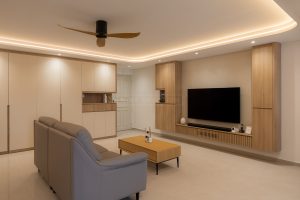
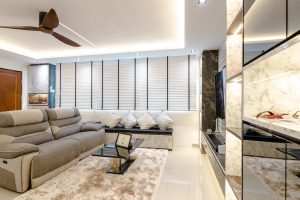
HDB Resale Renovation – Maximizing Space & Functionality
Many homeowners struggle with outdated layouts and inefficient use of space in resale flats. Poor storage solutions and aging interiors make homes feel cluttered and unappealing.

✅ 3x better space utilization with custom-built storage solutions
✅ Energy-efficient lighting reduced electricity costs by 20%
✅ Modernized design increased home value by 15%
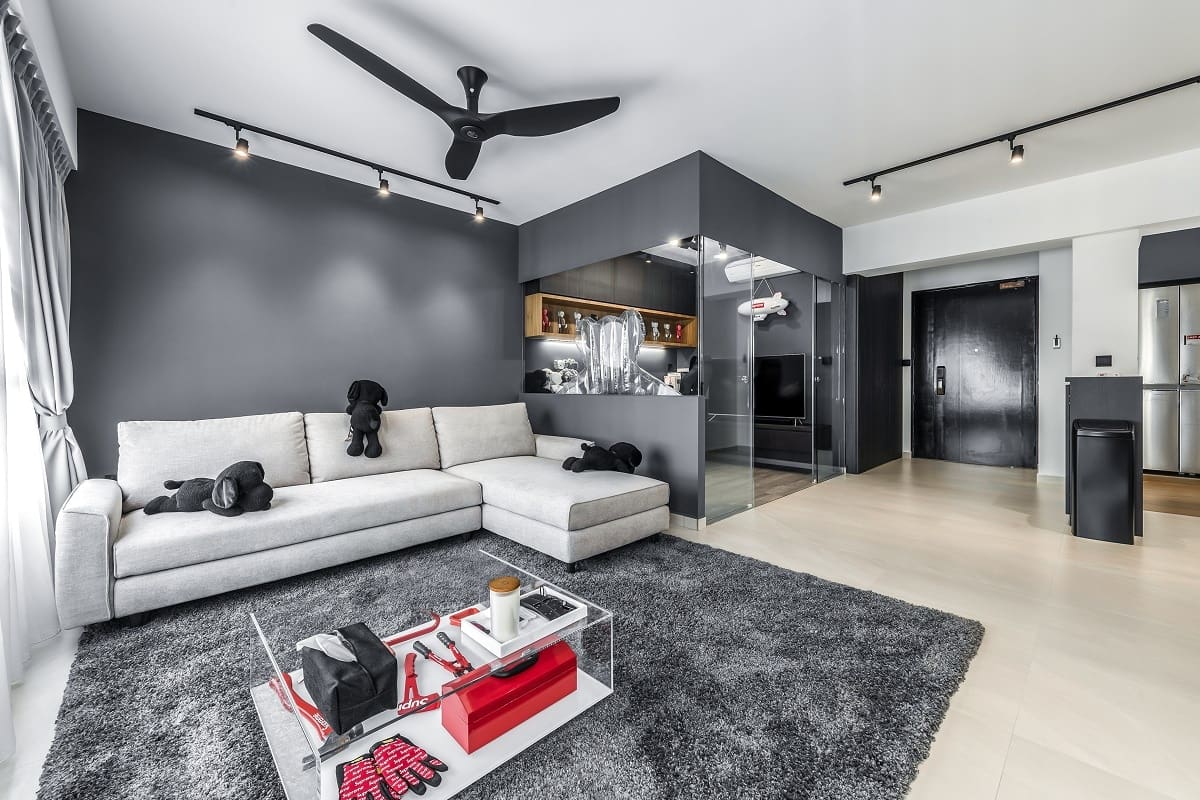
9 Creation’s expert designers optimize every corner, blending functionality with aesthetics to create a comfortable and stylish living space.

In Singapore, good interior design isn’t a luxury—it’s a necessity. Every square meter matters, especially in HDB flats, condos, or landed homes where space is often limited and renovation rules are strict. From creating an airy open-concept living area to integrating hidden storage in your bedroom, every decision must balance beauty with function, emotion with practicality.
This is where the 7 fundamental elements of interior design come in. They’re more than just aesthetic guidelines—they’re the foundation of thoughtful, intuitive living. And when mastered by professionals who understand local sensibilities and regulations—like our designers at 9creation—these principles unlock the true potential of your home.
Let’s break them down:
Space Planning – Designing flow that fits your lifestyle, not just furniture
Lines – Visual movement that brings balance and harmony to your rooms
Form – Shapes and structures that support both beauty and purpose
Pattern – Subtle detailing that evokes mood, identity, and style
Lighting – Natural or artificial, lighting shapes emotion in a space
Colour – The emotional heartbeat of your home; it sets the tone
Texture – The quiet luxury your fingertips appreciate every day
By understanding these elements, you’re not just decorating a space—you’re shaping how it feels to live in it. So whether you’re planning your first home or giving your resale flat a second life, let 9creation help you design a home that doesn’t just look good—but feels like you.


Let’s look at these building blocks in greater detail to see how they may help you get started on your quest for the house interior of your dreams.
Living Space planning
The amount of functional spaces or square footage you have in your house will determine the scale of what you can do to decorate. You should consider: functional space, layout planning, how much space there is in the room and what the intended use for that space will be.
For example, if you want to create a cosy reading corner in your living room, then you’ll probably want something smaller than an armchair. On the other hand, if you are looking to create a formal dining area or home office, then something more substantial would fit well with the design theme.
Lines
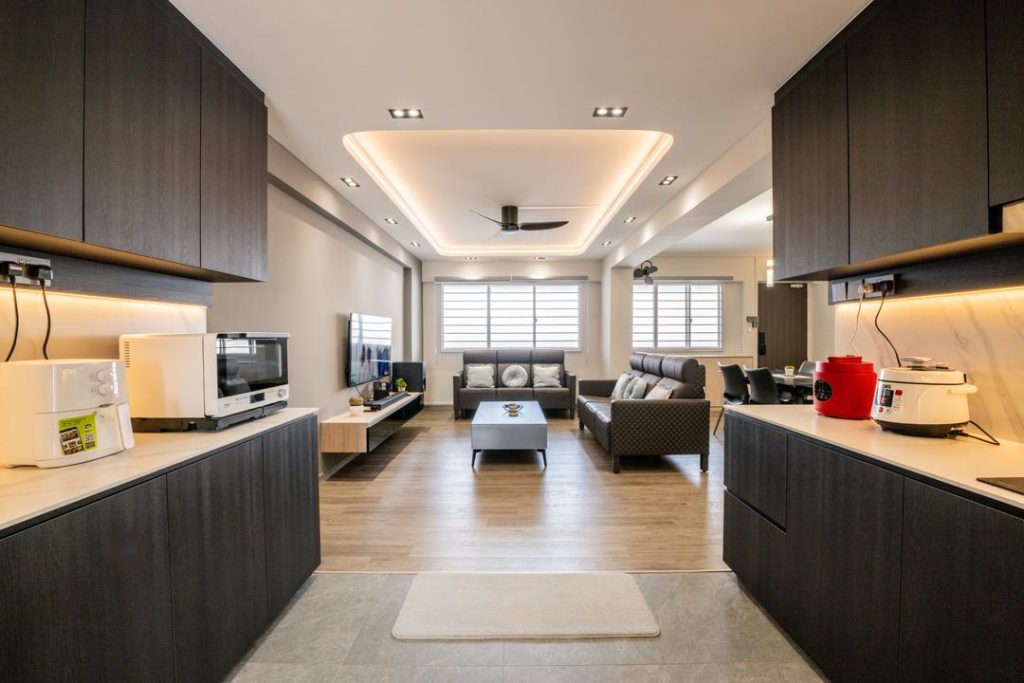
All interior spaces have lines concept design throughout them whether they are straight or curved. Some elements like furniture pieces cast lines within the space while doorways form lines along the floor and walls that lead into another room.
Curved lines are more difficult to achieve in small spaces, but they can give a room that extra something special. Keep an eye out for furniture pieces that have curved lines or very interesting shapes. When it comes to the lighting of your space, you may want to consider adding some lamps with curved lines on them as well for an added touch of elegance and refinement.
Form or Shape
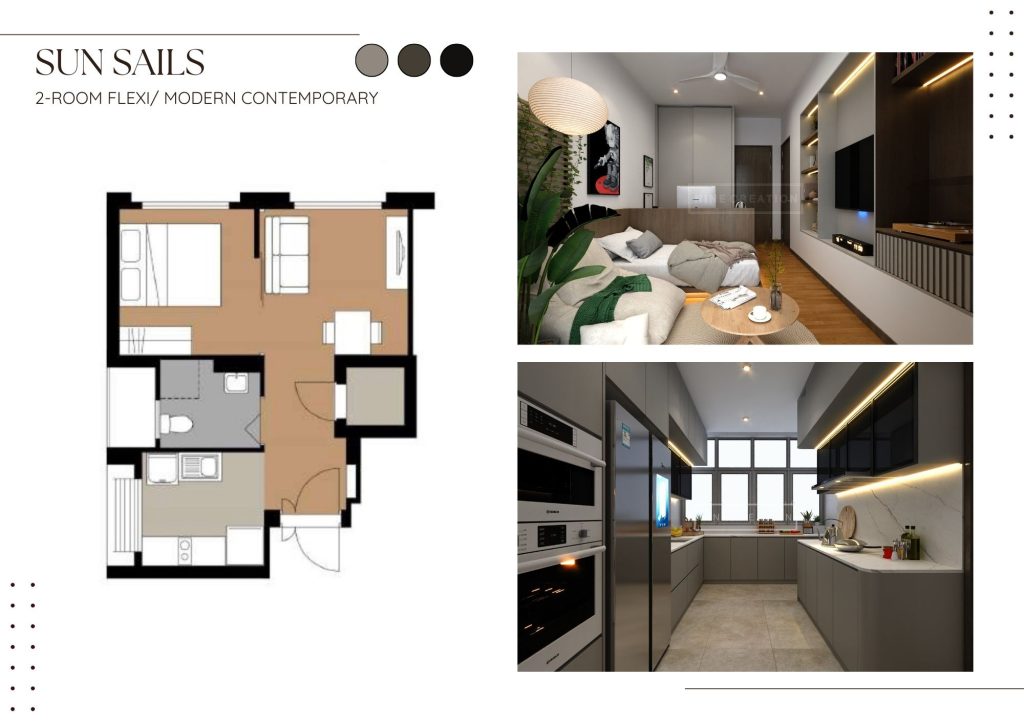
Keeping the form of the objects in mind is important because it will help you determine how many pieces of furniture will fit within a certain space. If you are working with a larger room, then you’ll probably want straight-lined pieces like couches and dressers which can stand up against walls rather than soft seating that takes up more floor area.
If you are working with a smaller room, then asymmetrical furniture like ottomans and chaises might work better because they tend to take up less space. If the pieces don’t have backs or arms on them, then it will free up more space in your home for other uses.
Patterns
Patterns can be tricky. Depending on the context, they can also be beneficial. We all use them in various areas of our lives – some are easy to spot, others are more subconscious. The situation is similar with games. They have patterns that expand with each iteration and new games keep building upon these existing patterns.
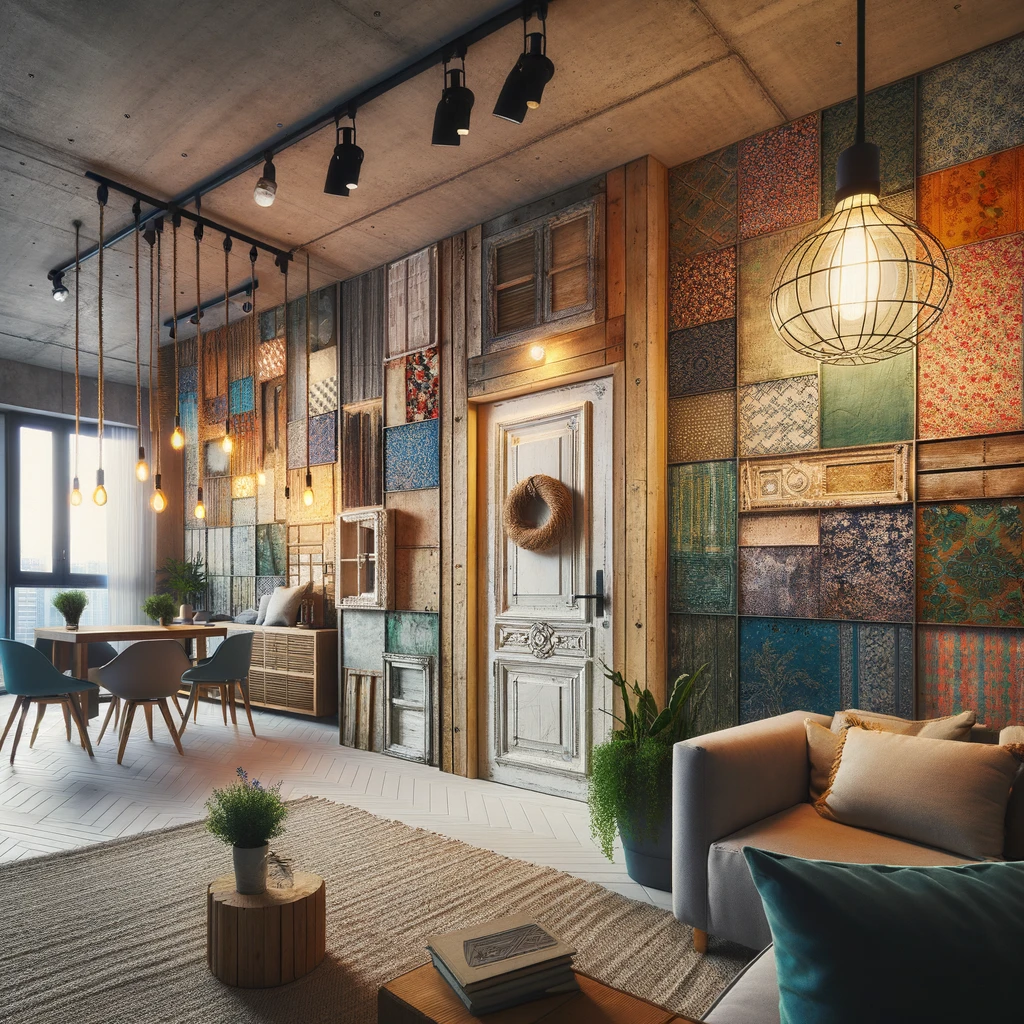
A pattern is a set of lines and shapes, making it part of the “line” family of elements, which also includes form. Patterns and shapes may be used to liven up your interiors in the same way that colors do. You may achieve this effect with a big statement wallpaper or vivid hue pop on the wall.
You don’t have to stick to the walls when it comes to designs. They may be used in any area of your home, from the grain in wood to picture frames, curtains, cushions, and more. The possibilities are endless with patterns incorporated into your house.
Light
When it comes to interior design, lighting is not something that people pay much attention to. However, the truth of the matter is that good quality lighting can add a lot to your home and how you feel when in there. Not only does it highlight various objects in your house, but it also brings out colors, textures and patterns better.
It’s critical to grasp the two primary forms of lighting and how they can influence a space’s atmosphere.

Natural Lighting
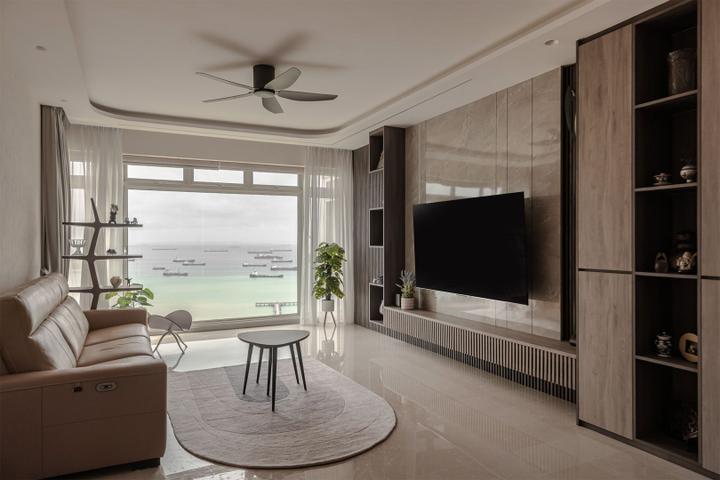
Artificial light sources might highlight your excellent paint colors or accentuate a particular piece of furniture you’ve been wanting to show off. With a completely customized house, the interior designer may position the windows and doors to let just enough natural light into any room. In addition, shades, drapes, and curtains can be used to modify the light.
Artificial Lighting
Artificial lighting may be employed to supplement, complement, or highlight natural light as well as establish the tone. Your options include:
- Task Lighting: This category includes desk lights, kitchen overhead lighting, and other tasks.
- Accent Lighting: This kind of illumination might be anything from art pieces, sculptures, chandeliers, or even the architecture of your property.
- Ambient lighting: Rather of emphasizing or assisting with tasks, ambient lighting adds to the overall atmosphere. It’s the “mood lighting” we mentioned earlier.
Colour
Every color has a different meaning, association, or memory. The reason behind this is because colors are often used for specific purposes in various cultures. However, even within these cultural contexts, color meanings can still vary based on the family of people who speaks it.
Colors in interior design connote messages and moods to our brains, just as traffic lights do while driving. The goal of the interior designer is to adjust them in order to elicit the desired emotion for your home.
Regional Color Associations
Black : Mystery/Intensity/Danger/Growth
Blue : Peaceful/Sophistication/Seriousness
Brown or Beige : Reliable/Humble/Conservative
Green : New Beginnings/Lushness
Grey : Dignity/Balance
Orange : Excitement and Fun! (this association varies depending on the shade)
White : Purity and Cleanliness (this association varies depending on the context)
Yellow: Joy and Happiness (this association varies depending on the context)
Pink: Love and Romance (this association varies depending on the context)
Purple : Royalty/Luxury/Beauty (though some people associate it with Mourning in Korea, China, and Vietnam)
Red: Energy/Love/Action (in Japan, this color is synonymous with happiness; not so in many other places around the globe)
Seafoam Green: Peaceful and Relaxing (mostly in the United States and Canada).
Texture
While the majority of the time texture is defined by how something feels, interior designers must consider visual and physical textures. There are two sorts of textures: visible and actual, and good designers can use both to generate the desired impact.
Actual Texture
What does a material feel like? For example, silk is smooth, whereas linen can be crisp and scratchy. Leather is also smooth, but it has a distinct look from that of silk.
Visual Texture
It’s about how something looks to the eye. Stone wallpaper, for example, isn’t quite real stone, yet it provides the appearance of stone, which is more rustic and traditional than contemporary.
The use of high-quality interior design will always be based on one or more of these seven principles. When you know how to mix, match, and balance colors, lines, and space correctly, you can truly turn your house into something you never thought possible.
Choosing the Right Interior Design Firm in Singapore
Choosing the right interior design firm in Singapore can be a difficult and stressful process. There are so many different firms or professional designers to choose from, with varying levels of quality and price points. It’s hard to know who you’re getting into business with when you don’t have any experience working with them before.
Follow these guidelines to ensure that you obtain a reputable, competent firm to do your Singaporean HDB interior design and renovations.
- Check HDB Licensing
- Ask About the Firm’s Specialty or Expertise
- Inquire About Payment
- Establish the Timeline
Creating the Dream Home
We’ve been helping people with their home decor or design consultation for many years and we’re confident that our team of designers will help you create a space you’ll love living in. Our services include everything from designing the layout of your new home or apartment to sourcing furnishings, artwork and accessories.
You can also rely on us for advice about how best to care for your floors, walls and ceilings as well as tips on how to make sure they stay looking great over time.